The Ultimate Guide to Traveling in Tokyo & Japan: Best Places, Hotels & Foods
Japan is a captivating destination where ancient traditions seamlessly blend with cutting-edge technology, creating an experience unlike any other in the world. From Tokyo’s neon-lit streets and bustling crossing to Kyoto’s serene temples and Mount Fuji’s majestic peak, Japan offers travelers an extraordinary journey through both time and culture. Whether you’re seeking spiritual enlightenment at ancient shrines, indulging in world-class cuisine, or immersing yourself in vibrant pop culture, Japan has something magical for everyone.
Best Time to Visit Japan
The ideal times to visit Japan are during spring (late March to May) for the famous cherry blossom season, and autumn (September to November) for stunning fall foliage. These seasons offer comfortable temperatures, beautiful natural scenery, and numerous cultural festivals. Summer can be hot and humid, while winter is perfect for skiing and experiencing snowy landscapes.
🗼 Best Places to Visit in Japan
1. Tokyo – Where Tradition Meets Future
Tokyo, Japan’s vibrant capital, is a mesmerizing metropolis of over 14 million people where ancient temples stand alongside futuristic skyscrapers.
Must-See Attractions:
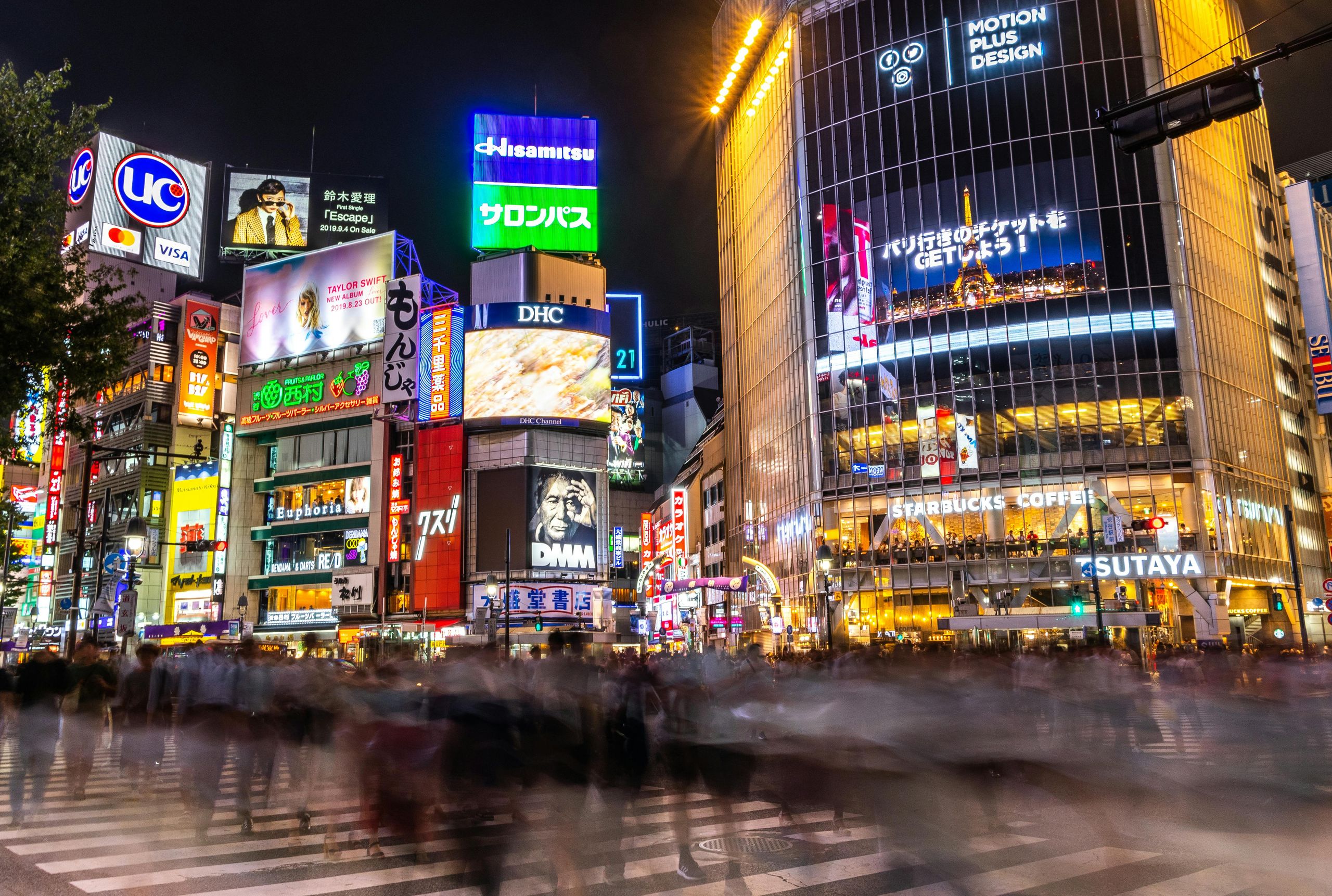
- Shibuya Crossing – Experience the world’s busiest pedestrian crossing, where thousands of people cross simultaneously in organized chaos. The surrounding area is perfect for shopping and people-watching.
- Meiji Shrine – A serene Shinto shrine set in a lush forest, offering a peaceful escape from the city’s hustle. Walk through the massive torii gates and experience traditional Japanese spirituality.
- Senso-ji Temple (Asakusa) – Tokyo’s oldest and most significant Buddhist temple, featuring the iconic Thunder Gate (Kaminarimon) and Nakamise shopping street filled with traditional crafts and snacks.
- Tokyo Skytree – At 634 meters, it’s one of the tallest towers in the world, offering breathtaking panoramic views of the city and Mount Fuji on clear days.
- Akihabara – The mecca of anime, manga, and electronics. In 2026, this area continues to evolve with new esports and VR centers alongside traditional otaku culture. All Japan Tours
- Shinjuku – Experience the neon-lit entertainment district, visit the tranquil Shinjuku Gyoen National Garden, and enjoy panoramic views from the Tokyo Metropolitan Government Building.
- teamLab Borderless – An immersive digital art museum that creates mind-bending interactive experiences.
- Harajuku – The epicenter of Japanese youth culture and fashion, featuring quirky boutiques, trendy cafes, and the famous Takeshita Street.
- Ginza – Tokyo’s upscale shopping district with luxury brands, department stores, and fine dining.
New in 2026: Tokyo Dream Park opens in March 2026, featuring a large multipurpose hall, theater spaces, and rooftop areas for concerts and live shows, just five minutes from Tokyo Big Sight. Tokyo Weekender
2. Kyoto – The Soul of Traditional Japan
For over 1,000 years, Kyoto served as Japan’s imperial capital, and it remains the heart of traditional Japanese culture.
Highlights:
- Fushimi Inari-taisha Shrine – Japan’s most iconic shrine featuring thousands of vibrant vermillion torii gates forming tunnels up the mountainside. The hike through the 10,000 gates is unforgettable and takes 2-3 hours to complete.
- Kinkaku-ji (Golden Pavilion) – A stunning Zen Buddhist temple covered in gold leaf, perfectly reflected in the surrounding pond.
- Arashiyama Bamboo Grove – Walk through towering bamboo forests creating an otherworldly atmosphere. Don’t miss the nearby Monkey Park and Sagano Scenic Railway.
- Gion District – Kyoto’s famous geisha district with traditional wooden machiya houses, tea houses, and the chance to spot geiko (geisha) and maiko (apprentice geisha).
- Ginkaku-ji (Silver Pavilion) – While not actually covered in silver, this temple features beautiful gardens and the philosophical path lined with cherry trees.
- Nara (Day Trip) – Just 45 minutes from Kyoto, visit Nara Park where over 1,000 sacred deer roam freely, and see the impressive Todai-ji Temple housing a giant bronze Buddha.
3. Osaka – Japan’s Kitchen
Osaka is known for its friendly locals, vibrant nightlife, and incredible food scene.
Must-Visit:
- Dotonbori – The heart of Osaka’s entertainment district, famous for its neon lights, giant animated signs, and street food. Try takoyaki and okonomiyaki here!
- Osaka Castle – A magnificent castle surrounded by moats and cherry trees, offering great city views and historical exhibits.
- Kuromon Ichiba Market – A covered market known as “Osaka’s Kitchen” where you can sample fresh seafood, wagyu beef, and local delicacies.
- Universal Studios Japan – Home to the Wizarding World of Harry Potter and Super Nintendo World.
4. Mount Fuji – Japan’s Sacred Mountain
Mount Fuji (3,776 meters) is Japan’s tallest and most iconic peak, a UNESCO World Heritage site.
Best Views:
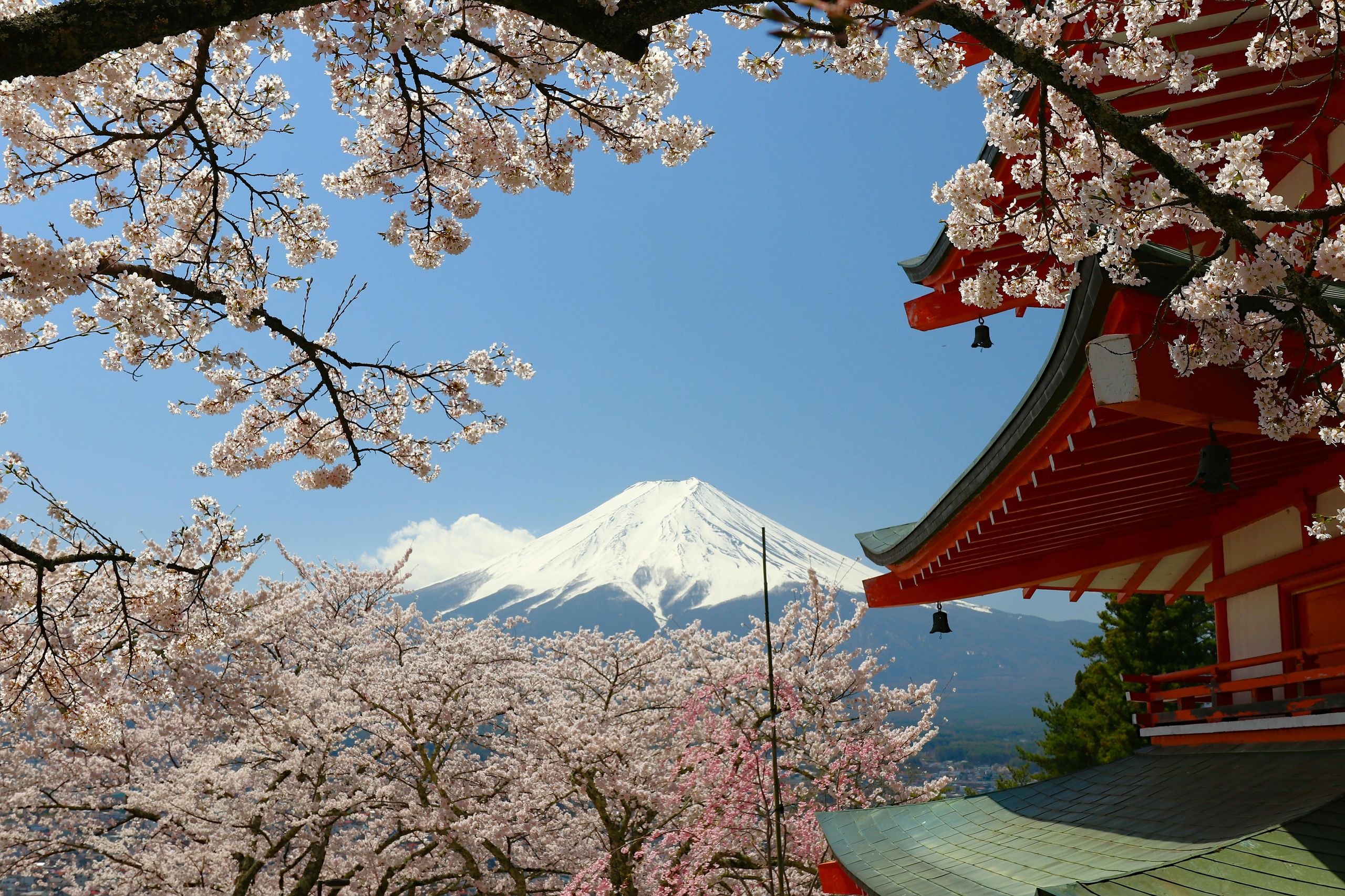
- Lake Kawaguchiko – Offers stunning reflections of Mount Fuji, especially during cherry blossom season. About 2.5 hours from Tokyo.
- Hakone – A mountain resort town with hot springs (onsen), museums, and the scenic Lake Ashi. Take the ropeway for aerial views of Fuji-san.
- Chureito Pagoda – A five-story pagoda offering one of the most photographed views of Mount Fuji, especially spectacular during cherry blossom and autumn seasons.
- Climbing Season – July to September for those wanting to summit the mountain.
Important Note: Mount Fuji is about 100 km from Tokyo, 160 km from Hakone, and 400 km from Kyoto. It’s best accessed from Tokyo or Hakone. Kimkim
5. Additional Must-Visit Destinations
- Hiroshima – Visit the Peace Memorial Park and Museum, then take a ferry to Miyajima Island to see the iconic “floating” torii gate of Itsukushima Shrine.
- Kanazawa – Known for Kenrokuen, one of Japan’s three most beautiful gardens, and well-preserved geisha districts.
- Takayama – A charming mountain town with preserved Edo-period streets and excellent sake breweries.
- Shirakawa-go – A UNESCO World Heritage site featuring traditional gassho-zukuri (thatched-roof) farmhouses.
- Nikko – Home to ornate shrines and temples set among mountains and forests, about 2 hours from Tokyo.
🏨 Best Hotels in Japan
Luxury Hotels in Tokyo
- Park Hyatt Tokyo – Made famous by “Lost in Translation,” offering sophisticated rooms with stunning city views and an excellent New York Grill restaurant. Travel and Leisure Asia
- The Ritz-Carlton Tokyo – Occupying floors 45-53 of Midtown Tower with Mount Fuji views and impeccable service.
- Mandarin Oriental Tokyo – Located in the Nihonbashi financial district, offering refined luxury and Michelin-starred dining.
- The Okura Tokyo – A legendary hotel blending authentic Japanese style with world-class amenities. The Okura Tokyo
- Four Seasons Hotel Tokyo at Marunouchi – Prime location near Tokyo Station with easy access to the Shinkansen.
- Aman Tokyo – Minimalist luxury inspired by traditional Japanese homes, located in the Otemachi Tower.
Top Hotels in Other Cities
Kyoto:
- The Ritz-Carlton Kyoto – Riverside luxury with traditional Japanese aesthetics
- Four Seasons Hotel Kyoto – Set in a historic 800-year-old pond garden
- Hoshinoya Kyoto – A secluded riverside retreat accessible only by boat
Osaka:
- The St. Regis Osaka – European elegance in central Osaka
- Conrad Osaka – Modern luxury with stunning views from the high floors
- InterContinental Osaka – Located in the heart of the city near Umeda
Hakone (Mount Fuji area):
- Gora Kadan – A traditional ryokan (Japanese inn) with exceptional hot springs
- Hakone Ginyu – Luxury ryokan with private open-air baths and kaiseki dining
Traditional Ryokan Experience
Don’t miss staying at a traditional Japanese inn (ryokan) where you’ll sleep on tatami mats, enjoy kaiseki multi-course dinners, relax in onsen hot springs, and wear yukata robes.
🍜 Must-Try Japanese Foods
Japanese cuisine is a UNESCO Intangible Cultural Heritage, renowned for its seasonality, presentation, and exquisite flavors.
1. Sushi & Sashimi (寿司・刺身)
The pinnacle of Japanese cuisine. Fresh, expertly prepared raw fish served as nigiri sushi (on rice) or sashimi (sliced fish without rice). Tokyo’s Tsukiji Outer Market and high-end restaurants like Sushi Saito and Sukiyabashi Jiro offer extraordinary experiences.

Types to try:
- Toro (fatty tuna)
- Uni (sea urchin)
- Hamachi (yellowtail)
- Ebi (sweet shrimp)
- Ikura (salmon roe)
2. Ramen (ラーメン)
Ramen has surpassed sushi as Japan’s most beloved food according to recent tourism data! Each region has its own style.
Regional styles:
- Tonkotsu Ramen (Fukuoka) – Rich, creamy pork bone broth
- Shoyu Ramen (Tokyo) – Soy sauce-based with a clear brown broth
- Miso Ramen (Sapporo) – Hearty miso-based broth
- Tsukemen – Dipping noodles served separately from the broth
Must-visit: Ichiran (Tokyo/nationwide) for solo dining booths, Rokurinsha at Tokyo Station for tsukemen, and explore Tokyo Ramen Street under Tokyo Station with 8 different ramen shops. Reddit
3. Wagyu Beef (和牛)
Japanese wagyu is world-renowned for its marbling, tenderness, and melt-in-your-mouth texture. Try it as:
- Sukiyaki (hot pot)
- Yakiniku (grilled)
- Shabu-shabu (thinly sliced, cooked in broth)
- Steak
- Kobe, Matsusaka, and Omi are the most prized varieties
4. Tempura (天ぷら)
Lightly battered and perfectly fried seafood and vegetables. Tokyo’s Tempura Kondo and Tsunahachi are excellent choices.
5. Tonkatsu (とんかつ)
Breaded and deep-fried pork cutlet served with shredded cabbage, rice, and tangy sauce. Incredibly satisfying comfort food.
6. Okonomiyaki (お好み焼き)
Osaka’s signature savory pancake filled with cabbage, meat, seafood, and topped with special sauce, mayo, bonito flakes, and seaweed. Try it in Dotonbori!
7. Takoyaki (たこ焼き)
Osaka street food – ball-shaped snacks filled with octopus, tempura scraps, pickled ginger, and green onion.
8. Kaiseki Ryori (懐石料理)
Traditional multi-course Japanese haute cuisine emphasizing seasonality, presentation, and local ingredients. Usually served at high-end restaurants and ryokans.
9. Udon & Soba (うどん・蕎麦)
Japanese noodles served hot or cold:
- Udon – Thick, chewy wheat noodles
- Soba – Thin buckwheat noodles
10. Matcha & Wagashi (抹茶・和菓子)
Experience a traditional tea ceremony and enjoy matcha green tea with delicate Japanese sweets (wagashi) in Kyoto.
11. Street Food & Convenience Store Gems
Don’t overlook:
- Onigiri (rice balls) from convenience stores
- Taiyaki (fish-shaped pastries filled with sweet red bean paste)
- Yakitori (grilled chicken skewers)
- Melon pan (sweet bread)
- Japanese curry
- Fresh fruit – incredibly expensive but exceptionally high quality
🚄 Transportation Tips
Japan Rail Pass (JR Pass)
The JR Pass offers unlimited rides on most JR trains, including the Shinkansen (bullet train), for 7, 14, or 21 days.
Important Update 2026: JR Pass prices increased significantly in 2023-2024. Calculate whether it’s worth it for your itinerary. The pass is beneficial if you’re traveling between multiple cities (Tokyo → Kyoto → Osaka → Hiroshima), but NOT worth it for Tokyo-only trips or single round trips. Self Guide Japan
What JR Pass covers:
- All JR trains including most Shinkansen lines
- JR local trains in Tokyo and other cities
- Narita Express (airport transfer)
- JR buses and ferries
What it DOESN’T cover:
- City subways and metro (Tokyo Metro, Osaka Metro)
- Private railway lines
- Nozomi and Mizuho Shinkansen (fastest trains)
IC Cards (Suica/Pasmo)
Get a rechargeable IC card for seamless travel on all trains, subways, and buses. You can also use it at convenience stores and vending machines. Mobile Suica is now available for foreign visitors! Roafly
Google Maps
Works excellently in Japan for train routes, walking directions, and real-time transit information.
💡 Essential Travel Tips for Japan
Practical Information
- Visa Requirements: Many countries enjoy visa-free entry for tourism (up to 90 days). Check your specific requirements.
- Currency: Japanese Yen (¥). While cash is still preferred in many places, credit cards are increasingly accepted in cities. Always carry cash for small shops, temples, and rural areas.
- Language: English is limited outside major tourist areas. Download Google Translate’s offline mode. Learning basic phrases helps:
- Konnichiwa (こんにちは) – Hello
- Arigatou gozaimasu (ありがとうございます) – Thank you
- Sumimasen (すみません) – Excuse me/Sorry
- Oishii (美味しい) – Delicious
- Internet: Rent a pocket WiFi device at the airport or get a SIM card for constant connectivity.
- Tipping: Never tip in Japan – it’s considered rude. Excellent service is standard.
Cultural Etiquette
- Remove shoes when entering homes, temples, traditional restaurants, and some hotel rooms
- Don’t talk loudly on trains or public spaces
- Never eat while walking
- Bow when greeting or thanking someone
- Don’t stick chopsticks upright in rice (funeral custom)
- Slurp your noodles – it’s a compliment!
- Respect photography rules at shrines and temples
- Queue properly and orderly – Japanese people are extremely polite and organized
Best Itinerary Suggestions
One Week: Tokyo (3 days) → Mount Fuji day trip → Kyoto (2 days) → Osaka (1 day)
10 Days: Tokyo (3 days) → Hakone/Mount Fuji (1 day) → Kyoto (3 days) → Nara (day trip) → Osaka (2 days)
Two Weeks: Tokyo (4 days) → Hakone (1 day) → Kyoto (3 days) → Nara (1 day) → Osaka (2 days) → Hiroshima/Miyajima (2 days) → Kanazawa/Takayama (2 days)
🌸 Special Seasonal Experiences
Spring (March-May):
- Cherry blossom viewing (hanami) parties
- Attend a matsuri (festival)
Summer (June-August):
- Fireworks festivals
- Climb Mount Fuji
- Beach activities in Okinawa
Autumn (September-November):
- Fall foliage (koyo) viewing
- Harvest festivals
- Comfortable hiking weather
Winter (December-February):
- Skiing in Hokkaido or the Japanese Alps
- Soaking in outdoor onsen while snow falls
- Illumination displays
- New Year celebrations
Final Thoughts
Japan is a destination that rewards every type of traveler – from history buffs exploring ancient temples to foodies seeking the perfect bowl of ramen, from nature enthusiasts hiking Mount Fuji to tech enthusiasts exploring Akihabara’s electronic wonderland. The country’s unique blend of ancient traditions and modern innovation creates an experience you’ll treasure forever.
The Japanese dedication to craftsmanship, attention to detail, and hospitality (omotenashi) ensures that every moment of your journey will be memorable. Whether you’re riding the lightning-fast Shinkansen, bowing at a serene shrine, or savoring world-class sushi, Japan will captivate your heart and soul.
Start planning your Japanese adventure today, and prepare to fall in love with a country where every season brings new beauty, every meal is an art form, and every interaction reflects centuries of refinement and grace.